

The green side of Skiathos: Forests, Trails & Hidden Beauty
From pine-covered hills and protected wetlands to centuries-old walking paths, discover a quieter, greener side of Skiathos that deserves just as much attention as its famous coastline.
Skiathos is an island most people fall in love with by the sea.
Its golden beaches, clear Aegean waters and long summer afternoons have made it one of Greece’s most beloved island destinations. Yet there is another side to Skiathos, one that begins where the shoreline ends and the landscape turns green.
Beyond the beach bars and busy waterfronts, pine forests stretch across the hills, old stone paths lead towards secluded monasteries and quiet valleys reveal a landscape shaped by nature and centuries of island life.
It is a side of Skiathos that feels wonderfully different from the familiar summer postcard.
And perhaps that is exactly what makes it worth discovering.
Whether you enjoy gentle nature walks, scenic viewpoints or simply finding places where the island moves at a slower pace, exploring the natural beauty of Skiathos adds an entirely different dimension to a Greek island holiday.
AN ISLAND WHERE GREEN MEETS BLUE
There is something distinctive about the landscape of Skiathos.
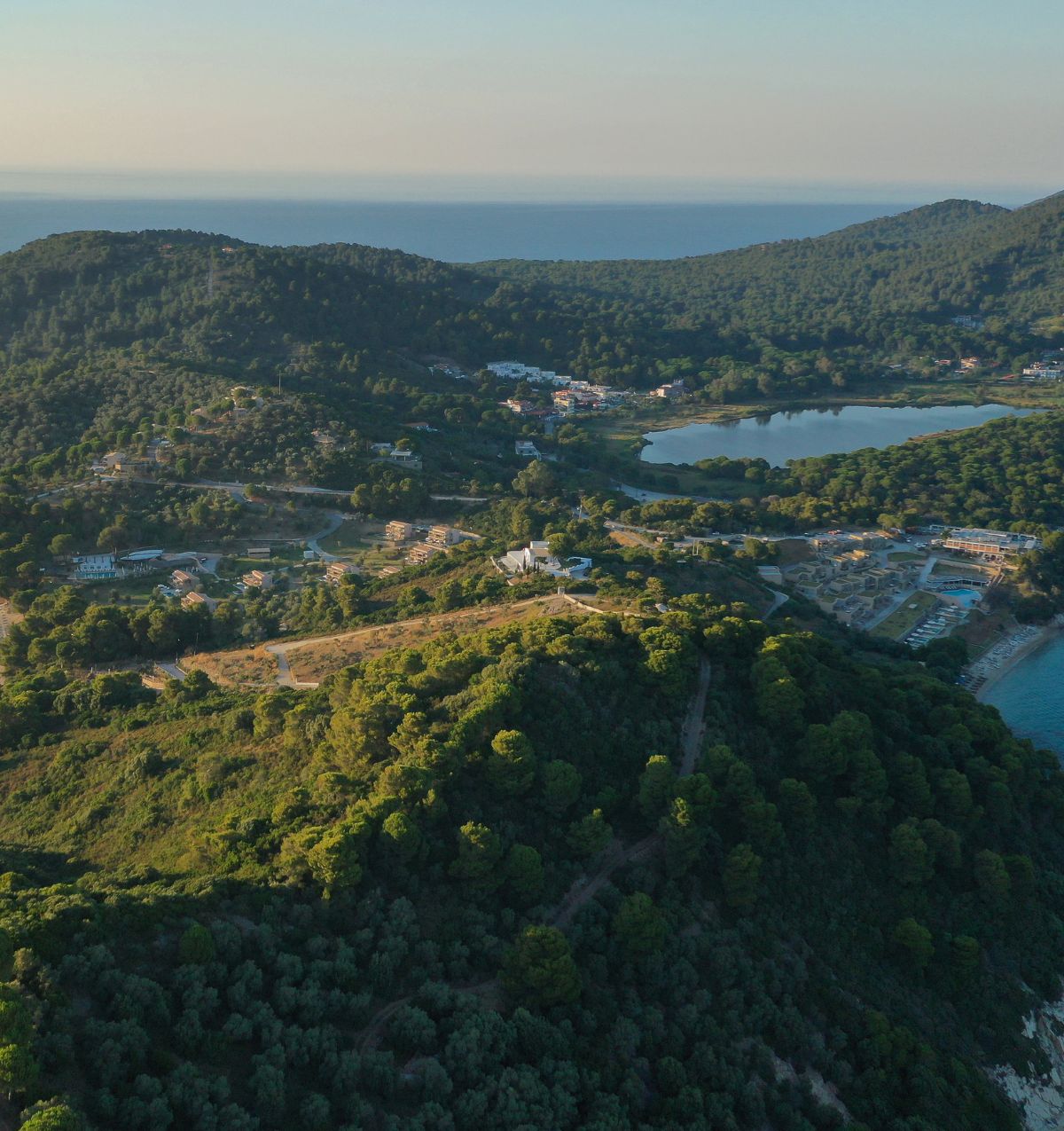
Unlike the dry, rocky scenery often associated with the Greek islands, much of Skiathos is covered in rich Mediterranean vegetation. Pine trees, olive groves, evergreen shrubs and woodland create a remarkable contrast with the surrounding sea.
From certain viewpoints, the island appears almost entirely green, with forested hills descending towards small bays and stretches of golden sand.
The landscape is not simply beautiful. It is also ecologically significant.
Parts of Skiathos are recognised for their natural value, including protected areas around Koukounaries and Strofylia, where forest, wetland and coastal habitats exist side by side.
But the island’s greener identity extends well beyond one protected area.
Inland, walking paths connect traditional landscapes, historic religious sites and places that many visitors never discover during a conventional beach holiday.
To experience this side of Skiathos is to realise that the island offers much more than a choice of beautiful places to swim.
It offers an entirely different way to explore.
KOUKOUNARIES: WHERE THE FOREST REACHES THE SEA
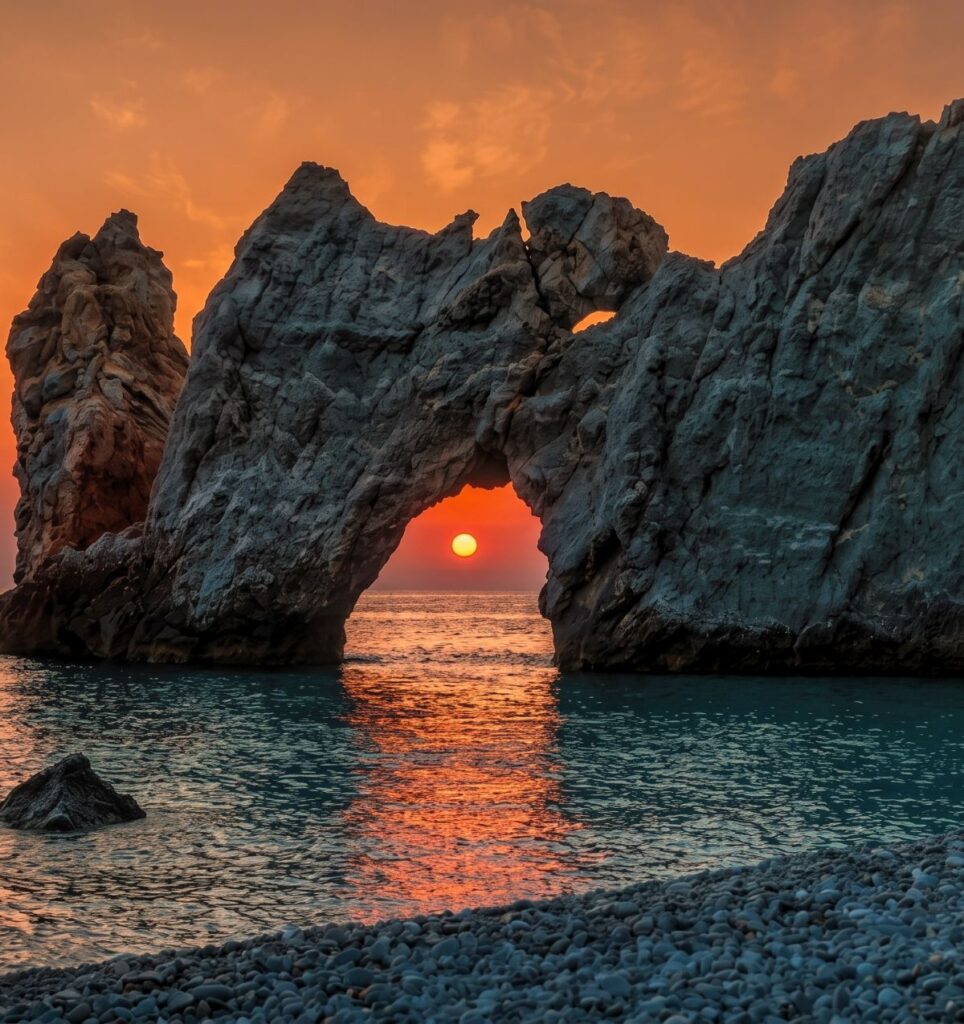
One of the most extraordinary examples of Skiathos’ natural character can be found in Koukounaries.
Famous for its golden beach, the area is equally remarkable for the forest that surrounds it.
Here, umbrella pines and other Mediterranean vegetation create a landscape where the boundary between woodland and coastline seems almost to disappear.
The contrast is striking.
One moment, you are looking across the bright sand and turquoise water. A short walk away, the atmosphere changes beneath the trees, where shade, vegetation and quieter surroundings reveal another side of the same destination.
This is part of what makes Koukounaries so distinctive.
Its appeal is not limited to the beach itself, but extends to the wider natural environment that has helped shape the area’s identity.
For visitors interested in discovering the coastline in greater detail, our Complete Guide to Koukounaries Beach explores what makes this part of Skiathos so special.
STROFYLIA LAGOON: A QUIETER WORLD BEHIND THE BEACH
Just beyond the pine forest of Koukounaries lies one of Skiathos’ most fascinating natural environments.
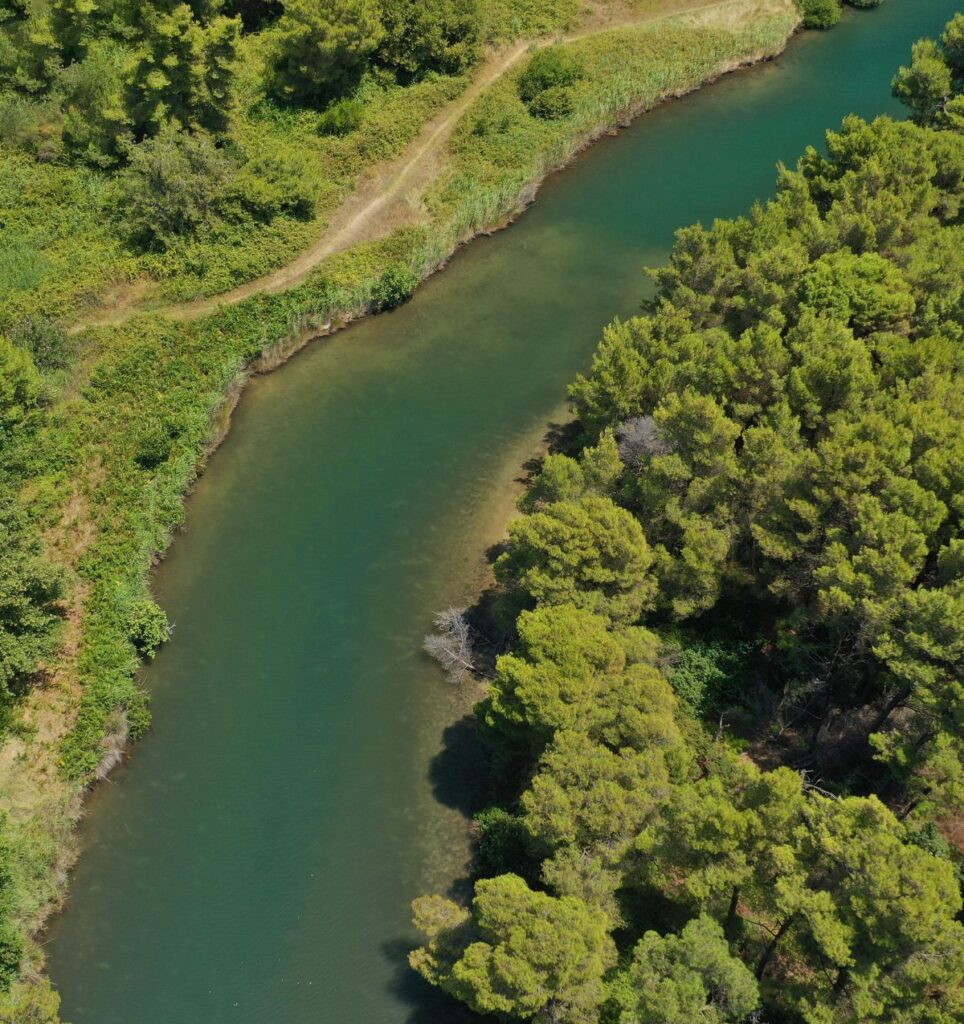
Strofylia Lagoon is a protected wetland surrounded by woodland and coastal vegetation, forming part of the wider Koukounaries Natura 2000 area.
It is a place that feels surprisingly removed from the lively beach nearby.
The landscape changes from open sand and sea to still water, reeds and the subtle movements of wildlife. Birds find shelter within the wetland, while the surrounding forest contributes to the area’s remarkable ecological diversity.
The lagoon is particularly interesting because it reveals how closely connected the island’s different natural habitats really are.
The beach, the dunes, the forest and the wetland are not separate attractions. They form parts of a single protected ecosystem.
Visitors can explore the area through designated walking routes, including the gentle trail known as Fresh and Salt Water, which introduces walkers to the landscape around Strofylia.
It is an experience best enjoyed quietly, with time to observe rather than rush.
And it is a reminder that some of Skiathos’ most memorable places do not need dramatic scenery or a long journey to leave an impression.
SKIATHOS HIKING TRAILS: DISCOVERING THE ISLAND ON FOOT
One of the most rewarding ways to explore the green side of Skiathos is simply to walk.
The island has an extensive network of traditional paths, many of which once connected villages, monasteries, agricultural areas and remote parts of the coastline.
Today, the official Skiathos Trails initiative has helped organise and highlight these routes, making it easier for visitors to discover the island beyond its main roads.
The network extends for approximately 200 kilometres, with walks varying in length, difficulty and landscape.
Some routes are relatively gentle, passing through woodland and countryside. Others climb towards higher viewpoints, follow old stone paths or lead towards the island’s more remote northern coast.
Along the way, walkers may encounter olive groves, springs, old watermills, small chapels and views across the Aegean.
What makes these routes particularly interesting is that they reveal more than natural beauty.
They also tell the story of how people lived, travelled and worked on Skiathos long before the island became a popular summer destination.
THE ROADS OF THE MONASTERY
One of the island’s established hiking routes connects Skiathos Town with the historic Monastery of Evangelistria.
Known within the official trail network as The Roads of the Monastery, the route passes through olive groves, rural landscapes and traditional paths, with springs, chapels and scenic viewpoints along the way.
It is a beautiful example of how nature and local history come together on Skiathos.
The monastery itself adds another dimension to the experience, offering visitors an opportunity to discover an important part of the island’s religious and cultural heritage.
Rather than simply travelling directly to the monastery by road, exploring the surrounding paths allows the journey to become part of the experience.
THE ROADS OF KASTRO
For those looking to discover a more rugged and historical side of Skiathos, the routes towards Kastro offer an entirely different atmosphere.
The former fortified settlement stands on the island’s northern coast, surrounded by dramatic terrain and sweeping views of the sea.
The official Roads of Kastro trail connects historic monasteries, countryside and the old settlement through a varied landscape of woodland, olive groves and traditional paths.
It is a reminder that Skiathos has a history extending far beyond its modern tourism identity.
Kastro’s remote setting also makes the surrounding landscape feel especially dramatic.
The northern coastline is wilder and less developed than the popular southern beaches, revealing a side of the island shaped as much by geography and history as by the sea.
Longer routes require suitable footwear, preparation and an honest assessment of your fitness, particularly during hot weather.
THE NORTHERN SIDE OF SKIATHOS: WILDER, QUIETER, DIFFERENT
Most visitors become familiar with the southern coastline first.
It is where many of Skiathos’ best-known beaches, accommodation areas and main transport connections are concentrated.
Travel towards the north, however, and the character of the island begins to change.
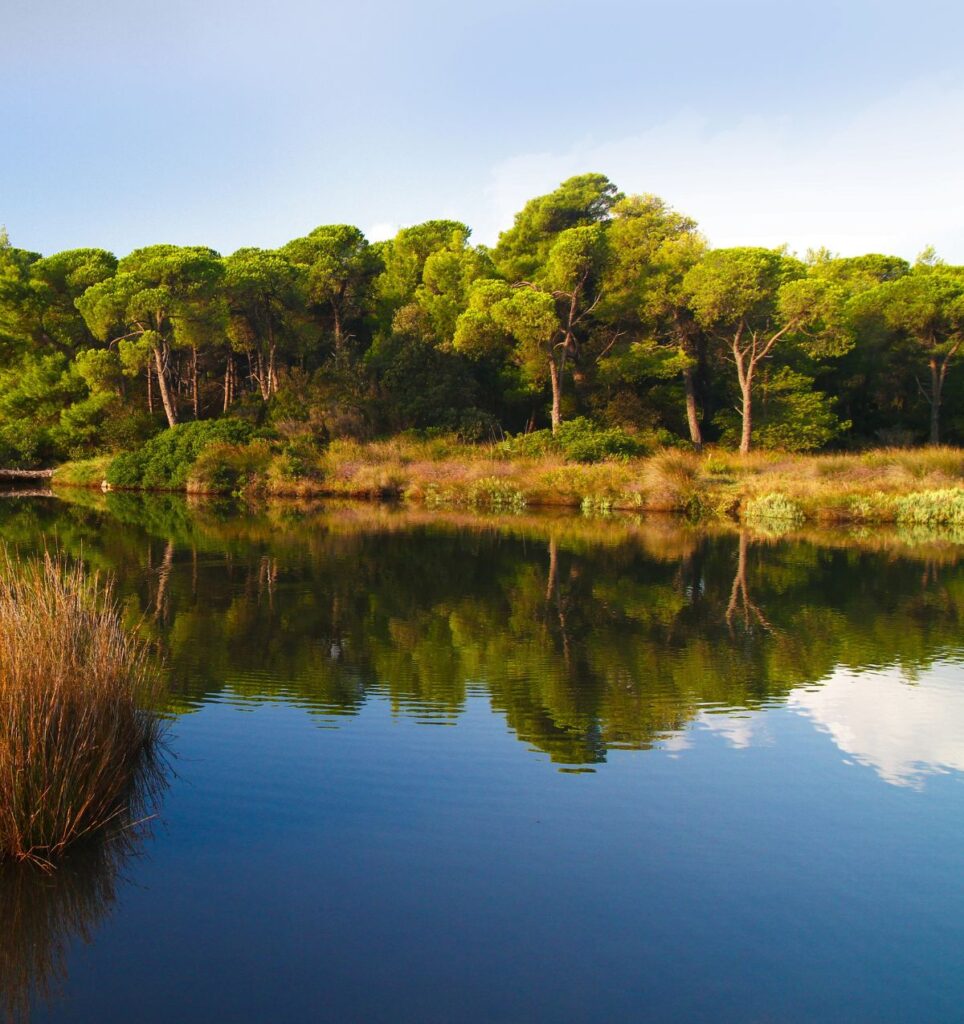
The landscape becomes more rugged, with rocky coastlines, forested hills and secluded beaches surrounded by dramatic natural scenery.
Places such as Kechria and the wider northern countryside reveal a quieter version of Skiathos, where the journey can feel just as memorable as the destination.
This is not necessarily the easiest part of the island to explore.
Some locations involve unpaved roads or walking routes, and access conditions can vary. Visitors should check their chosen route before setting out rather than assuming that every beach or viewpoint can be reached by an ordinary vehicle.
But for travellers willing to venture beyond the familiar southern coast, the reward is a deeper understanding of Skiathos’ natural diversity.
For more places worth discovering away from the busiest areas, explore our Hidden Gems in Skiathos guide.
NATURE AND CULTURE: THE LANDSCAPES THAT TELL THE ISLAND’S STORY
One of the most interesting things about exploring Skiathos on foot is discovering how closely its natural landscape is connected with its cultural heritage.
Old monasteries appear among the hills. Small chapels stand beside traditional paths. Springs and abandoned agricultural structures offer glimpses of an island whose everyday life once depended on the land as much as the sea.
These are not always places that announce themselves as major attractions.
Often, their charm lies in the feeling of coming across them unexpectedly.
The official Skiathos Heritage Trails initiative builds on this connection between landscape and local history, introducing thematic cultural routes informed by the stories and memories of island residents.
At selected points of interest, visitors can access recorded narratives through QR codes, adding a human voice to the places they discover.
It is a thoughtful way to experience the island.
Rather than seeing Skiathos simply as a collection of beautiful landscapes, visitors are invited to understand the people and traditions that have shaped them.
SLOW TRAVEL IN SKIATHOS: THE PLEASURE OF DOING LESS
Not every encounter with nature needs to involve a long hike or an ambitious itinerary.
Sometimes the most memorable moments happen when you leave enough space in the day for something unplanned.
A morning walk beneath the pines.
A quiet moment overlooking the sea.
An afternoon spent exploring a familiar area a little more slowly.
This is the appeal of slow travel in Skiathos.
It encourages visitors to look beyond the number of beaches they can visit or the attractions they can fit into a single day.
Instead, the experience becomes about noticing the details that make a destination feel different.
The scent of pine trees in the warm air. The changing colours of the landscape. The contrast between the bright coastline and the shade of the forest.
Skiathos offers plenty of opportunities for this kind of travel, particularly for visitors who choose to balance busy beach days with quieter experiences in nature.
And often, those quieter moments become the ones remembered most fondly.
HOW TO EXPLORE THE NATURAL SIDE OF SKIATHOS RESPONSIBLY
The landscapes that make Skiathos so beautiful are also environments that deserve protection.
Visitors exploring the island’s forests, wetlands and walking trails can help preserve them by making a few thoughtful choices.
Stay on designated paths, particularly within protected areas such as Koukounaries and Strofylia. Avoid disturbing wildlife or removing plants, and take any litter away with you.
During the warmer months, carry sufficient drinking water, use sun protection and choose walking routes suited to the weather and your experience.
Summer heat can make even a relatively short walk more demanding than expected, so early mornings and cooler periods of the year are often more comfortable for longer hikes.
It is also important to respect any local restrictions related to fire prevention, protected habitats or temporary trail closures.
For route descriptions, maps and current guidance, consult the official Skiathos Trails website before setting out.
Exploring responsibly does not take anything away from the experience.
It helps ensure that the landscapes visitors come to enjoy remain just as remarkable for those who follow.

WHEN IS THE BEST TIME TO EXPLORE SKIATHOS’ GREEN SIDE?
Skiathos is beautiful throughout the summer, but nature-focused experiences can feel very different depending on the season.
Spring brings milder temperatures and fresh vegetation, making it an appealing period for walking and exploring the countryside.
Early summer combines longer days with warm weather, while the island’s beaches and outdoor experiences begin to take on their familiar seasonal rhythm.
July and August are ideal for those who want to combine nature with a classic Greek summer holiday, although longer walks are best planned around the cooler hours of the day.
Early autumn can also be particularly enjoyable, with warm seas, softer light and temperatures that may be more comfortable for exploring.
The best time ultimately depends on what you want from the experience.
For some, it will be a peaceful morning walk before spending the afternoon at the beach.
For others, discovering Skiathos on foot may become one of the main reasons to visit.
MANDRAKI VILLAGE: A NATURAL BASE IN KOUKOUNARIES
For travellers who want to experience both the coastline and the greener side of Skiathos, Koukounaries offers an appealing place to stay.
The surrounding pine forest, nearby protected wetland and access to one of the island’s most famous beaches create a setting where nature is part of everyday life.
Mandraki Village reflects this quieter side of the destination.
Set among gardens in Koukounaries, the hotel offers a relaxed environment from which guests can explore the island, discover nearby landscapes or simply enjoy time outdoors without travelling far.
A morning might begin with breakfast before heading towards the beach. Another day could be spent discovering walking routes, visiting a historic monastery or exploring the island’s northern countryside.
And after a day of exploring, returning to the hotel offers an opportunity to slow down again, whether beside the pool or over dinner and drinks at White Bar Taverna.
It is a balance that feels particularly suited to Skiathos.
The freedom to explore, combined with the pleasure of having somewhere peaceful to return to.
FAQs
IS SKIATHOS A GREEN ISLAND?
Yes. Skiathos is known for its rich Mediterranean vegetation, including pine forests, olive groves and woodland. Its natural landscape is one of the features that distinguishes it from many other Greek island destinations.
ARE THERE HIKING TRAILS IN SKIATHOS?
Yes. Skiathos has an extensive network of hiking and walking routes, covering approximately 200 kilometres. The official Skiathos Trails initiative provides information about routes of different lengths and difficulty levels.
WHAT ARE THE BEST NATURE EXPERIENCES IN SKIATHOS?
Popular nature-focused experiences include exploring the Koukounaries pine forest, visiting Strofylia Lagoon, walking sections of the official hiking network and discovering the island's northern countryside.
WHAT IS STROFYLIA LAGOON IN SKIATHOS?
Strofylia Lagoon is a protected wetland located behind Koukounaries Beach. Together with the surrounding forest, dunes and coastal habitats, it forms part of the Koukounaries Natura 2000 protected area.
CAN YOU GO HIKING IN SKIATHOS DURING SUMMER?
Yes, although summer temperatures can make longer walks challenging. Early mornings are generally more comfortable, and visitors should carry water, wear appropriate footwear and check weather conditions before setting out.
WHERE CAN YOU FIND QUIET NATURE SPOTS IN SKIATHOS?
The Koukounaries–Strofylia area, inland walking routes and parts of the northern countryside offer opportunities to experience quieter natural landscapes away from the busiest beach areas.
IS KOUKOUNARIES A GOOD BASE FOR NATURE LOVERS?
Koukounaries is a particularly appealing area for visitors who want to combine beach time with access to pine forests and the protected Strofylia wetland. It also provides a relaxed base for exploring other parts of Skiathos.
DISCOVER THE SKIATHOS THAT STAYS WITH YOU
The beauty of Skiathos is often introduced through its beaches.
And understandably so.
But beyond the golden sand and turquoise waters lies an island of forests, walking paths, historic landscapes and quiet places that invite you to experience summer a little differently.
It is a side of Skiathos that does not ask for attention.
You discover it gradually, through the places you walk, the views you stop to admire and the moments when you realise there is nowhere else you need to be.
At Mandraki Village, surrounded by the natural beauty of Koukounaries, that feeling becomes part of the holiday itself.
Because sometimes the most memorable way to discover an island is not to see more.
It is to experience more of what makes it special.
Αφήστε μια απάντηση